
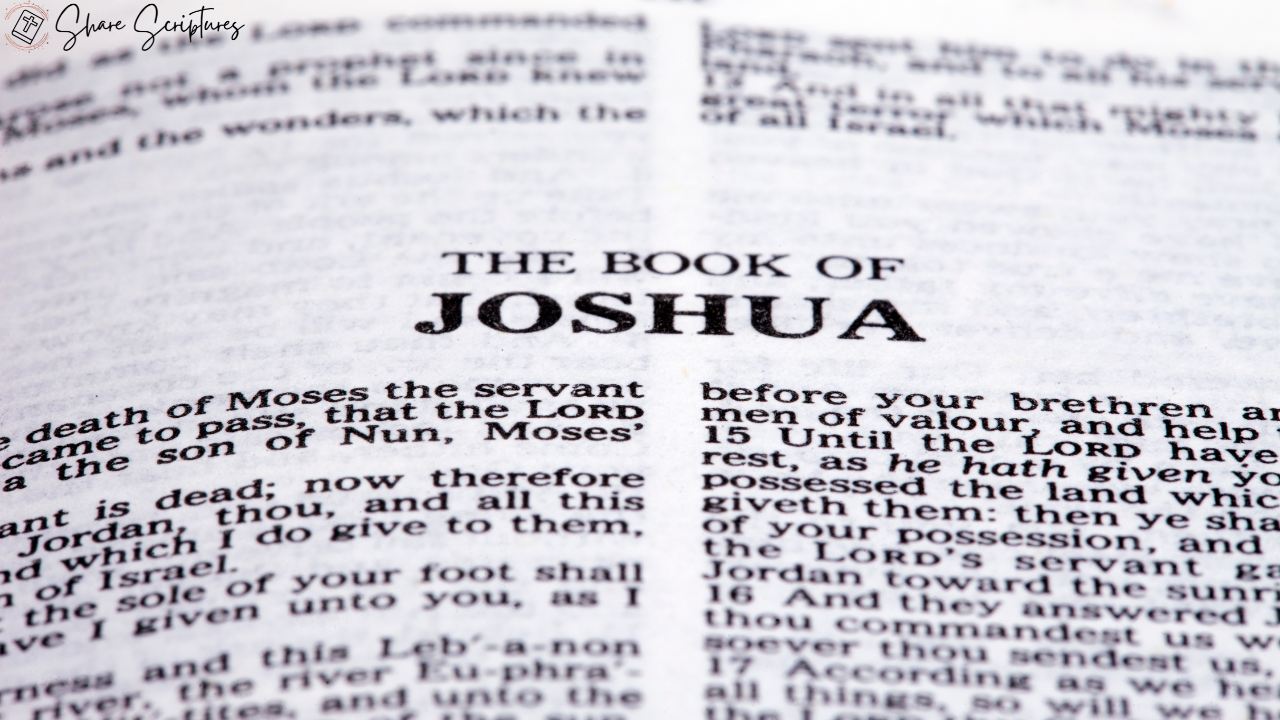
The Book of Joshua is a fascinating narrative detailing the Israelites’ journey under Joshua’s leadership. Joshua’s story begins with the Israelites’ entry into the Promised Land and follows their many battles and conquests. This ancient text doesn’t just recount historical events; it also delves into deep theological themes and God’s faithfulness to His people.
Joshua, a strong and courageous successor to Moses, leads the Israelites through complex military strategies and spiritual guidance, such as the fall of Jericho and the miraculous crossing of the Jordan River. The division of the Promised Land among the twelve tribes showcases both God’s promises and the fulfillment of His covenant.
Exploring the Book of Joshua provides us with a comprehensive look at significant biblical figures, the dramatic events that shaped Israel’s history, and unique cultural practices. Understanding these elements allows us to better grasp the legacy and continuing influence of these ancient stories in religious and historical contexts.
Key Takeaways
- Joshua recounts the Israelite’s entry and conquests in the Promised Land
- Key events include battles like Jericho and the division of land among tribes
- Significant themes involve God’s promises and leadership under Joshua
Historical Context of Joshua
Joshua played a key role in leading the Israelites into the Promised Land after Moses’ death. The Book of Joshua recounts their conquest and settlement of Canaan, providing crucial details about this pivotal period.
The Role of Joshua in Israelite History
Joshua was chosen to lead the Israelites after Moses. His leadership was marked by military conquests and the distribution of land among the tribes of Israel. Joshua’s commitment to God’s commands was central to his success. He acted as both a military leader and a spiritual guide, ensuring the Israelites followed the covenant with God.
Joshua was a trusted aide of Moses and one of the twelve spies sent to scout the Land of Canaan. His faithfulness set him apart, making him the ideal successor for Moses.
Overview of the Book of Joshua
The Book of Joshua is the sixth book in the Old Testament. It contains 24 chapters, divided into two main parts: the conquest of Canaan and the division of the land among the tribes. The initial chapters describe how Joshua led the Israelites across the Jordan River and captured key cities like Jericho and Ai.
Later chapters focus on assigning portions of the Promised Land to each tribe. These sections emphasize the importance of God’s promises to Abraham, Isaac, and Jacob. Joshua’s farewell address and covenant renewal at Shechem highlight the book’s themes of faith and obedience.
Moses’ Leadership and Joshua’s Ascension
Moses led the Israelites out of Egypt and guided them through the desert for 40 years. His leadership was characterized by significant events such as receiving the Ten Commandments and building the Tabernacle. As per God’s instructions, Moses did not enter the Promised Land but was tasked with preparing Joshua to succeed him.
Joshua’s rise to leadership was smooth, owing much to Moses’ mentorship. This transition ensured continuity in following God’s commands. The Israelites recognized Joshua’s authority, which was crucial for their morale and unity during the conquest of Canaan. Moses’ role in shaping Joshua’s leadership cannot be understated, reflecting a seamless transfer of spiritual and military authority.
Theological Themes
In the Book of Joshua, we find critical themes that form the backbone of its narrative, focusing on God’s promises, the importance of faith and obedience, and the role of leadership within the covenant relationship.
Promise and Fulfillment
The theme of promise and fulfillment is crucial in Joshua. God repeatedly assures the Israelites of the land promised to their ancestors. This promise begins with Abraham and continues through Moses. In Joshua, we see the fulfillment of this promise as they conquer and settle in Canaan. This link to God’s unfailing word serves as a testament to His faithfulness and the stark reality of His promises coming to life.
Faith and Obedience
Faith and obedience are central to the success of the Israelites in Joshua. Without unwavering faith in God’s guidance, the conquest of Canaan would not have been possible. Joshua emphasized the need to “be strong and courageous” and follow God’s laws meticulously. These acts of obedience were not optional; they were critical to ensuring victory and maintaining the favor of the Lord. Repeatedly, we see that failure to obey leads to setbacks and defeats.
Leadership and Covenant
Leadership under Joshua mirrors the model set by Moses. Joshua is portrayed as a faithful, strong, and courageous leader, charged with leading the Israelites in line with God’s covenant. His primary role was to ensure that the people upheld their end of the covenant by fully committing to the Lord and following His commandments. Leadership here is not just about military conquest but also about spiritual guidance and ensuring communal faithfulness. Joshua’s ultimate challenge was to lead the people not only into the physical land but also into a deeper commitment to God.
Major Events and Battles
We will cover the significant events in the Book of Joshua, including the crossing of the Jordan River, the fall of Jericho, Joshua’s campaigns in Canaan, and the treaty with the Gibeonites.
Crossing the Jordan River
The Israelites, led by Joshua, cross the Jordan River to enter the Promised Land. God commands the priests carrying the Ark of the Covenant to step into the river, which then miraculously stops flowing. This allows the entire nation to cross on dry ground. This event signifies God’s power and support for Israel and mirrors the earlier crossing of the Red Sea under Moses’ leadership.
The Fall of Jericho
One of the first major battles after crossing the Jordan is the battle of Jericho. Joshua receives divine instructions to have the Israelites march around the city once a day for six days with the priests carrying trumpets. On the seventh day, they march around the city seven times, and the priests blow their trumpets. The walls of Jericho collapse, allowing the Israelites to capture the city.
Campaigns in Canaan
Joshua leads several military campaigns to conquer the land of Canaan, dividing it into regions. The Southern Campaign includes the defeat of a coalition of southern kings. The Northern Campaign sees Joshua defeating a coalition of northern kings. These battles expand Israel’s control over the land, fulfilling God’s promise to give this territory to the descendants of Jacob.
The Treaty with the Gibeonites
The Gibeonites, fearing the Israelites, resort to deception to form an alliance. They dress in worn-out clothing and carry moldy provisions to appear as if they have traveled from a distant land. Joshua makes a treaty with them without consulting God. When the deception is revealed, the Gibeonites become servants, but the treaty is honored, showing Joshua’s commitment to his word despite the deception.
Key People and Their Roles
In the story of Joshua, several key individuals played significant roles that shaped the course of events. These figures contributed to military leadership, covert operations, moral lessons, and religious duties.
Joshua as Commander and Leader
Joshua was the central figure leading the Israelites after Moses’ death. As a commander, he was responsible for guiding the Israelites into the Promised Land. Joshua’s faith in God, exemplified when he spied out the land with Caleb, highlights his unyielding trust and boldness. His decisive victories, such as the fall of Jericho, underscored his tactical prowess and steadfast obedience to divine guidance.
Rahab and the Spies
Rahab, a resident of Jericho, played a crucial role during the Israelites’ conquest of the city. When two spies were sent to scout Jericho, Rahab hid them from the authorities. Her actions showed her faith in the God of Israel. In return, she and her family were spared during Jericho’s destruction. This not only marked her bravery but also her crucial part in God’s plan.
The Transgressions of Achan
Achan’s disobedience was a serious issue for the Israelites. After the fall of Jericho, he secretly took forbidden items, violating God’s command. This transgression led to Israel’s defeat in the battle of Ai. Achan’s actions served as a stark warning about the consequences of disobedience. His eventual punishment exemplified the need for integrity and obedience among the people.
The Priestly Duties of Phinehas and Eleazar
Phinehas and Eleazar were important priests during Joshua’s leadership. Phinehas was notable for his zeal in maintaining religious purity, as seen in his actions against idolatry and immorality. Eleazar, serving as High Priest, provided spiritual guidance and support. These duties ensured that the Israelites stayed faithful to their covenant with God, reinforcing the importance of religious leadership in their community.
The Division of the Promised Land
After conquering Canaan, Joshua and the Israelites divided the land among the twelve tribes. This division was crucial to ensure each tribe had its own inheritance and places of refuge.
Allocating Territories to the Twelve Tribes
The land of Canaan was divided among the twelve tribes of Israel. Each tribe, including Ephraim and Manasseh, received a specific territory. This allocation was done by casting lots, seen as a way of allowing God’s will to determine the divisions. Joshua led this process, ensuring that every tribe received a fair share of the Promised Land. Each territory varied in size and resources, reflecting the unique needs and strengths of each tribe.
Cities of Refuge and Levitical Cities
In addition to the division of common land, certain cities were set aside as cities of refuge. These cities provided sanctuary for individuals accused of manslaughter, allowing them a fair trial. There were six cities of refuge spread evenly across the land. Additionally, the Levites, who served religious roles and did not receive a large territory, were given 48 cities scattered throughout different tribal regions. These cities ensured the Levites could perform their duties and support the religious needs of the Israelites.
Inheritance of the Tribe of Dan
The tribe of Dan initially struggled to settle in their allotted territory. The challenge of conquering their area led them to seek new land. They eventually moved to the northern part of Canaan, capturing the city of Laish, which they renamed Dan. This relocation showcases the dynamic nature of the tribal settlements and the ongoing efforts to establish themselves securely within the Promised Land. The story of Dan highlights the tribe’s perseverance and adaptability in facing challenges.
Cultural and Religious Practices
In the Book of Joshua, the cultural and religious practices of the Israelites played a crucial role in their society and their military endeavors. Their religious observances and military strategies were deeply intertwined and reflected their commitment to God’s commands.
Religious Observances and Altars
The Israelites’ religious observances were closely tied to their sense of identity and obedience to God. One important practice involved the Ark of the Covenant, which represented God’s presence among the people. The priests carried the Ark during significant events, symbolizing divine guidance.
One notable religious event was when the Israelites erected altars. These altars served as places of worship and gratitude to God. For instance, after crossing the Jordan River, they built an altar to commemorate their safe passage, as directed by Joshua. Such acts of worship underscored the importance of remembering God’s help in their victories.
The consequences of their obedience were also evident in their success. When they followed God’s instructions, they were victorious. Conversely, disobedience led to setbacks, demonstrating the significance of maintaining faithfulness and reverence.
Military Strategies and Campaigns
Joshua’s military campaigns were marked by strategic planning and reliance on divine guidance. Before battles, Joshua sought God’s direction, ensuring their efforts aligned with divine will. For example, at Jericho, the unusual strategy involved marching around the city with the Ark of the Covenant for seven days before the walls fell.
We see a pattern of obedience, where victories were achieved when they followed specific divine instructions. Joshua’s campaigns were not just about conquest but also about consecration. After each conquest, they dedicated the land to God, reinforcing the spiritual nature of their military efforts.
The military strategies often included direct divine intervention, highlighted by miraculous events such as hailstones from heaven or the sun standing still. These interventions served as reminders that their success was tied to their faith and adherence to God’s commandments.
Influence and Legacy
Joshua’s impact resonates in both the Old Testament and in modern Christian faith. His leadership and faith have inspired various writings and teachings, leaving lasting marks on religious history and practice.
Impact on Later Biblical Writings
Joshua’s life and deeds greatly influenced other biblical texts. The book of Joshua highlights his key role in leading the Israelites into the Promised Land, fulfilling God’s promises made in Genesis. His leadership is depicted as pivotal, especially in the context of the nation of Israel, where his guidance helped establish a foundation for the period of the Judges.
In Deuteronomy, Joshua is portrayed as a successor to Moses, ensuring the covenant is maintained. This legacy is crucial for understanding subsequent biblical narratives. His actions and choices set the stage for the Judges, who followed his lead and continued to shape Israelite society. This consistency in leadership underscores the importance of faith and obedience to God’s will.
Joshua as a Figure in Christian Faith
In Christian teachings, Joshua is often seen as a precursor to Jesus. His name, Joshua, is the Hebrew form of Jesus, which symbolizes salvation. Christians view Joshua’s conquests as a foreshadowing of Jesus’s spiritual victory over sin.
His unwavering faith and dedication serve as examples for believers. Joshua’s covenant renewal at Shechem, where he called the people to recommit to God, resonates with Christians as a call to faith and obedience. This act of calling the nation back to God draws parallels to Jesus urging His followers to turn to the Father.
By focusing on these aspects, we can better appreciate Joshua’s enduring influence on biblical literature and religious belief.
Textual Analysis and Interpretation
The Book of Joshua presents insights into its authorship and the period it was written, alongside diverse academic viewpoints. These elements are crucial for understanding the context and significance of the text.
Authorship and Date of Writing
Scholars often attribute the authorship of Joshua to a scribe who compiled existing records. Traditional belief holds that Joshua himself, the leader of the Israelites, wrote the book. However, many modern scholars suggest that later editors contributed to its final form.
The date of writing is also debated. Some propose it was written soon after the events it describes, around the late Bronze Age. Others argue it was composed during the Babylonian exile or even later. The references to the Book of the Law and detailed tribal boundaries suggest a well-structured society, which supports an earlier dating.
Academic Perspectives and Theories
There are several academic perspectives regarding the structure and purpose of the Book of Joshua. The Deuteronomistic History theory posits that Joshua, along with other “Former Prophets,” was part of an extensive historical work aimed at explaining Israel’s history through a theological lens.
Another theory involves the notion of “Holy War,” indicating that the conquests described were intended to show divine involvement. The text has both a historical and theological purpose, depicting God as general and king, and revealing Israel’s faith journey.
Some critics challenge the historical accuracy of the conquests, seeing them as theological constructs rather than factual accounts. Understanding these diverse perspectives helps us appreciate the complexities behind the authorship and compilation of this profound biblical text.
Frequently Asked Questions
In this section, we address common questions about Joshua’s life, his role in the Bible, significant verses, key themes, and important lessons derived from his leadership.
Who is Joshua in the biblical context?
Joshua is a central figure in the Hebrew Bible, known for leading the Israelites after Moses’ death. He was Moses’ assistant and took over leadership to guide the Israelites into the Promised Land.
What are the key themes presented in the book of Joshua?
The book of Joshua highlights themes such as faith, obedience to God, divine justice, and fulfillment of God’s promises. It emphasizes the importance of trusting in divine guidance and adhering to God’s commands.
Can you outline the chronological events in the book of Joshua?
The events in Joshua begin with the crossing of the Jordan River, followed by the conquest of Jericho, the allocation of the Promised Land among the twelve tribes, and ending with Joshua’s farewell address. These events show the transition of the Israelites from wanderers to settlers.
What significant role does Joshua play in biblical history?
Joshua’s role in biblical history is significant as he leads the Israelites into the Promised Land and oversees their conquests. His leadership and faith are pivotal in establishing the Israelites in Canaan. Joshua is also noted for his strong adherence to God’s instructions.
Which biblical verses capture the essence of Joshua’s story?
Key verses that capture Joshua’s story include Joshua 1:9 (“Have I not commanded you? Be strong and courageous. Do not be afraid”) and Joshua 24:15 (“As for me and my house, we will serve the Lord”) as discussed here.
What are the key lessons derived from the life and leadership of Joshua?
From Joshua’s life, we learn the importance of courage, faith, and obedience. His unwavering belief in God’s promises, strategic military leadership, and ability to inspire the Israelites teach us valuable lessons about leadership and trust in divine guidance.