
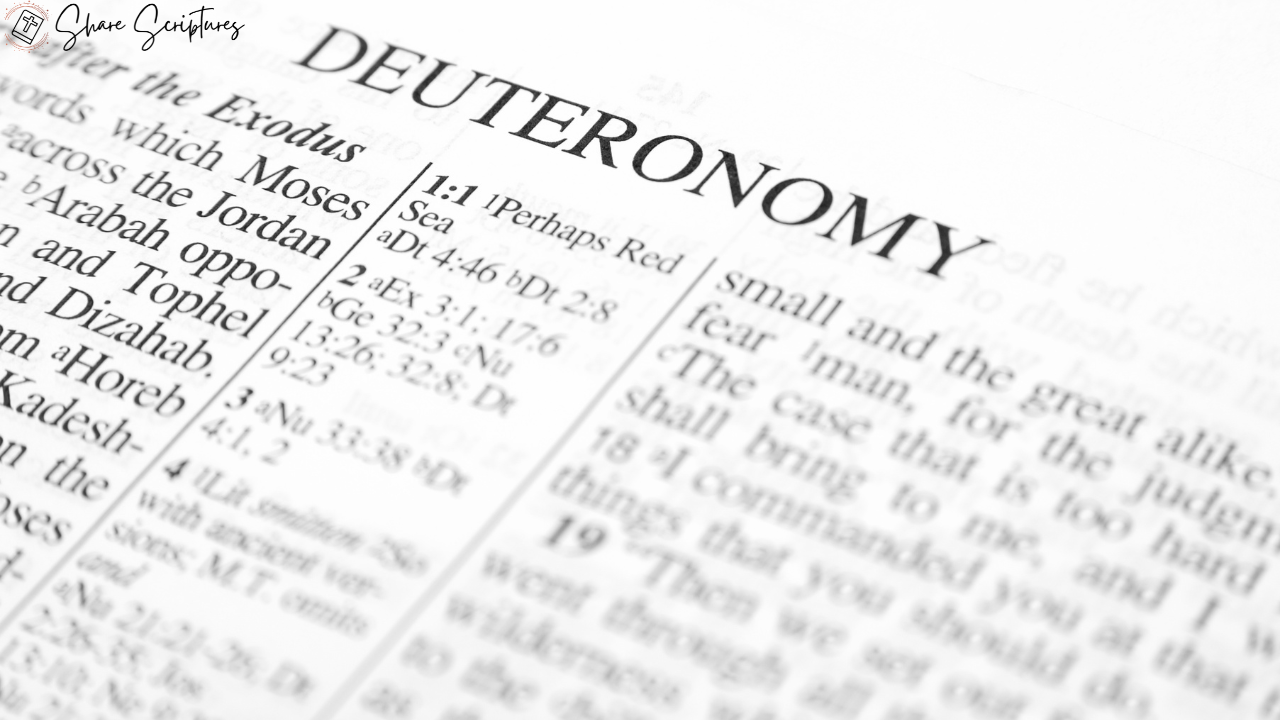
The Book of Deuteronomy is the fifth book of the Pentateuch, where Moses reviews God’s law and promises to Israel before they enter the promised land. This book holds a significant place in biblical history as it reiterates the covenant between God and the Israelites. In Deuteronomy, Moses reminds the people of their history, the laws they must follow, and the blessings and curses that come with obedience or disobedience. Understanding this book helps us grasp the foundational principles that guided the Israelites.
Themes like love, obedience, and covenant are central to Deuteronomy. Moses’ speeches blend historical recollections with legal instructions, reminding the Israelites how to live in a way that pleases God. The Book of Deuteronomy also provides a blueprint for justice, worship, and community conduct. It’s crucial because it prepares the Israelites for life in the promised land.
Deuteronomy concludes with the final days of Moses, highlighting his legacy and the transfer of leadership to Joshua. As we explore the book, we see how it influences not only religious practices but also social and legal systems. The structure and themes of Deuteronomy offer us valuable insights into the kind of society God intended for His people.
Key Takeaways
- Deuteronomy outlines the covenant between God and the Israelites.
- The book blends historical recollections with legal instructions.
- Moses’ final days and leadership transfer to Joshua are highlighted.
Historical Context
Deuteronomy tells of Moses’s final instructions to the Israelites before they enter the Promised Land, while also marking the transition of leadership from Moses to Joshua. It reflects on their journey from Egypt, through the wilderness, to the brink of entering Canaan.
The Background of Deuteronomy
Deuteronomy is set on the Plains of Moab, just east of the Jordan River. The Israelites have wandered in the wilderness for forty years after their exodus from Egypt. Now, they are poised to enter the Promised Land.
Moses recounts their journey, emphasizing the covenant established at Mount Sinai. He reminds the people of God’s commandments and their history of obedience and disobedience. This setting is crucial because it represents a pivotal moment for Israel. They are on the verge of fulfilling God’s promise to Abraham but must first recall their past to guide their future actions.
Moses’s sermons in Deuteronomy are not just a restatement of the law but a call to heartfelt obedience and faithfulness to God. It’s a reminder of their unique relationship with God, underscored by His actions and promises throughout their history. For more about this historical context, visit Overview of Deuteronomy.
Transition of Leadership from Moses to Joshua
A significant moment in Deuteronomy is Moses preparing to pass leadership to Joshua. Moses knows he will not enter the Promised Land and must ensure that the people are ready for the transition. He reassures the Israelites that Joshua, who has been a faithful aide, will lead them into Canaan.
This transition is important because it shows the continuity of God’s plan. Joshua has been groomed for leadership and has proven himself, particularly in battles and as one of the two spies who trusted God’s promise regarding Canaan. Moses publicly endorses Joshua to the people, ensuring a smooth transition and maintaining the stability of the nation. For more details on this transition, you can read about it at BibleProject Guide on Deuteronomy.
This section reflects the significance of leadership and the need for trust in God’s plans. The continuity from Moses to Joshua is a testament to God’s faithfulness and the importance of steady, faithful leadership for the nation of Israel.
Theological Themes
Deuteronomy addresses fundamental principles tied to our relationship with God, focusing on the importance of the covenant, obedience through love, and the consequences of blessings and curses.
Covenant and Law
The covenant between God and Israel is central in Deuteronomy. Moses reiterates the laws given at Mount Sinai. These laws are not just rules but commitments Israel must follow to remain in God’s favor. The law represents God’s will and is meant to govern every aspect of life, ensuring that the Israelites stay holy and faithful.
God’s laws include rules on worship, ethical behavior, and social justice. By keeping these laws, the Israelites can maintain a close relationship with God, which is vital for receiving His blessings. Disobeying the laws, however, will lead to severe consequences, as outlined throughout the book.
Love and Obedience
Love and obedience are intertwined themes in Deuteronomy. We are called to love the Lord with all our heart, soul, and strength. This love is not just an emotion but is demonstrated through obedience to God’s commandments. It is through this obedience that we can show our faithfulness to the covenant.
Obedience out of love is expected, making the relationship with God more meaningful and personal. This deep bond contrasts with mere legal compliance. Instead of following the law grudgingly, we are encouraged to joyfully obey because of our love for God, which reinforces why disobedience is seen as a significant breach in the relationship.
Blessings and Curses
Deuteronomy clearly lays out the blessings for obedience and the curses for disobedience. When we follow God’s commandments, we are promised prosperity, health, and protection. These blessings are seen as God’s reward for faithfulness and adherence to the covenant.
On the other hand, curses are the result of disobedience. They manifest as hardships, suffering, and even exile. These warnings serve as a deterrent, urging us to follow God’s laws closely. The stark contrast between blessings and curses highlights the importance of our actions and decisions in maintaining a strong, faithful relationship with God.
Content Overview
Deuteronomy contains many key elements such as Moses’ recounted experiences and instructions to Israel, along with the significant prayer known as the Shema, which emphasizes loving and worshiping God with one’s whole being.
Moses’ Sermons and Charges
In Deuteronomy, Moses gives several sermons to the Israelites. These sermons remind the people of God’s past actions, including His promises to Abraham and the faithfulness shown in rescuing Israel. Moses reiterates the laws given earlier, emphasizing the importance of following God’s commandments.
Moses also warns the Israelites about the consequences of disobedience, urging them to remain faithful. He re-states the Ten Commandments and highlights the need for justice and the fair treatment of all individuals. Through his speeches, Moses charges the Israelites to love the Lord with all their heart, soul, and strength. This love should be visible in both their actions and adherence to God’s law.
The Shema and Its Significance
The Shema, found in Deuteronomy 6:4-5, is a crucial part of Jewish faith. It begins with “Hear, O Israel: The LORD our God, the LORD is one.” It commands the Israelites to love the Lord their God with all their heart, soul, and strength. This prayer underscores the importance of exclusive devotion to God.
The Shema serves as a daily reminder for Jews to keep God’s commandments and integrate them into their daily lives. It is a central declaration of faith and reflects the essence of the covenant relationship between God and Israel. This call to devotion impacts not only religious practices but also informs the ethical and moral actions expected from the followers.
Legal Codes and Social Instructions
The Book of Deuteronomy contains a range of laws and social instructions meant to guide the Israelites in their relationship with God and each other. It covers duties related to worship, social ethics, and instructions on how to live in Canaan.
Duties to God
We find many important laws focused on our relationship with Yahweh. These include instructions on worship and sacrifices. For example, we are commanded to worship only Yahweh, avoiding any idols or other gods. To maintain holiness, we follow strict guidelines for ritual purity.
Sacrifices are also outlined, requiring us to offer specific types of animals without blemishes. This shows our love and reverence for God. Following these rules helps us maintain a pure and strong connection with Him.
Ethical and Social Ordinances
Ethical and social laws cover justice, marriage, divorce, and the treatment of children. We are instructed to uphold justice by treating everyone fairly in legal matters. Judges are required to be impartial and not take bribes.
Marriage and divorce laws provide clear guidelines. For example, if we decide to divorce, there are procedures to follow to ensure fairness. The treatment of children is also essential. Parents must teach their kids the laws and keep them on the path of righteousness. These ordinances help us build a just and loving community.
Instructions on Conduct in Canaan
As we prepare to live in Canaan, specific instructions guide how we should behave. These include the ethical treatment of others, living harmoniously, and avoiding behaviors that could harm the community. For instance, we are told to establish cities of refuge where someone accused of manslaughter can seek protection.
We must also avoid any Canaanite practices that worship other gods. By adhering to these instructions, we can ensure peace and justice in our new land. It is critical for us to follow these guidelines to sustain our societal and spiritual welfare in Canaan.
By understanding these laws and instructions, we can fully appreciate the structure and guidance provided in Deuteronomy.
Covenant Renewal and Ratification
In Deuteronomy, the renewal and ratification of the covenant are significant events. These steps reinforce the relationship between the Israelites and God, focusing on commitment, promises, blessings, and curses.
The Ceremony at Mount Ebal and Gerizim
The ceremony at Mount Ebal and Mount Gerizim is essential in the covenant renewal process. Moses instructed the Israelites to build an altar on Mount Ebal and to set up large stones coated with plaster, where they would inscribe the words of the law. This was a public declaration of their commitment to God’s commandments.
Mount Gerizim was used to pronounce blessings, while Mount Ebal was for curses. Representatives from each tribe stood on these mountains to symbolize the choice between blessings for obedience and curses for disobedience. This ceremony aimed to remind the people of their covenant responsibilities and the consequences of their actions.
The ritual was not just symbolic but also served as a legal and spiritual witness to the people’s commitment to the covenant. We can see this as a critical moment where the Israelites publicly accepted the covenant’s terms, understanding that life and death were tied to their adherence to God’s laws.
The Call to Commitment and Witness
After the ceremony, there was a strong call to commitment and witness. Moses and the elders tasked the people with acknowledging their unique relationship with God, emphasizing their responsibilities and the life or death stakes depending on their faithfulness.
We were reminded of the blessings promised for obedience and the curses for disobedience. The covenant renewal emphasized that Israel had chosen to follow God willingly. The commitment was not just individual but communal, ensuring that all were witnesses to each other’s promises.
It’s crucial to recognize that this section solidified the bond between the people and God. With their collective witness, the Israelites were expected to hold each other accountable, reinforcing their resolution to live according to the covenant.
Final Days of Moses
During Moses’ final days, he delivered a series of farewell speeches and blessings, and then witnessed the Promised Land before his death. These moments marked the end of his leadership and transitioned the Israelites to the next phase under Joshua.
Farewell Speeches and Blessings
Moses’ final acts included delivering powerful speeches and blessings to the Israelites. He reiterated God’s laws and reminded the people of their covenant.
In Deuteronomy 33, Moses blessed each of the twelve tribes individually. This mirrored the blessings Jacob gave to his sons in Genesis. His words were meant to instill hope and strengthen their faith as they prepared to enter the Promised Land. Moses emphasized God’s care and protection over Israel.
The Death and Legacy of Moses
Moses died at the age of 120 on Mount Nebo. God showed him the Promised Land from a distance, explaining that he would not enter it due to previous disobedience at Meribah. Despite his flaws, Moses is remembered as a great prophet and leader.
His death marked a significant transition. Joshua took over as the leader, ensuring the continuation of Moses’ mission. The nation mourned Moses for 30 days, honoring his legacy and the profound impact he had on their journey.
For more details, see here.
Influence and Interpretation
The Book of Deuteronomy has played a crucial role in shaping subsequent biblical texts, early Christian teachings, and has ongoing relevance in contemporary religious practices and cultural contexts.
Deuteronomy in Later Biblical Texts
Deuteronomy’s laws and teachings profoundly influenced later Old Testament books. For instance, in 2 Kings, King Josiah’s reforms were directly inspired by Deuteronomy’s laws (2 Kings 22-23). This book also shaped the narratives in Ezra where there’s a renewed emphasis on the law.
We see echoes of Deuteronomy in Genesis, Leviticus, and Numbers. Its emphasis on covenant renewal near the Jordan River set a precedent for the Israelites’ relationship with God.
New Testament Reflections and Jesus
In the New Testament, Deuteronomy’s teachings appear in Jesus’ teachings and actions. Jesus quoted Deuteronomy during His temptation in the wilderness (Matthew 4:1-11). This highlights its authority and significance.
Jesus’ call to love God (Deuteronomy 6:5), echoed in Matthew 22:37, shows Deuteronomy’s role in defining the greatest commandment. The book’s themes of obedience and covenant loyalty, as seen in Deuteronomy, are central to Jesus’ message.
Contemporary Significance
Today, Deuteronomy remains vital in Torah study and Jewish religious practice. Its teachings on justice, morality, and community responsibility are relevant in modern religious discussions. For many of us, Deuteronomy provides a framework for ethical living, influencing our spiritual and cultural practices.
Furthermore, the book’s ideas contribute to ongoing debates in theology, offering timeless insights that continue to shape various religious and cultural contexts today.
Frequently Asked Questions
In this section, we address key questions about the Book of Deuteronomy, such as its main message, chapter-by-chapter summary, and the meaning of the name.
What is the main message of the book of Deuteronomy?
The main message of Deuteronomy is about the renewal of the covenant between God and the Israelites. It reminds the Israelites to follow God’s commandments and stresses the importance of faithfulness and obedience to God.
Can you provide a chapter-by-chapter summary of the book of Deuteronomy?
Yes, a chapter-by-chapter summary reveals that Deuteronomy consists of reminders of God’s laws, life lessons from Moses, and preparations for entering the Promised Land. Each chapter details different aspects of these themes.
What is the main purpose of the book of Deuteronomy?
The main purpose is to reinforce the laws given to the Israelites and prepare them for life in the Promised Land. It serves as a reminder and guide for living according to God’s will and maintaining a strong relationship with Him.
What are the main events described in the book of Deuteronomy?
Deuteronomy recounts Moses’ speeches to the Israelites, reiterating God’s laws, recounting past events, and urging obedience. Important events include the Ten Commandments being repeated, Moses’ reflection on the Israelites’ journey, and his instructions before they enter the Promised Land.
When was the book of Deuteronomy written?
Deuteronomy is traditionally believed to have been written by Moses around the 13th century BCE, just before the Israelites entered the Promised Land. Some scholars believe it may have been compiled later during the time of King Josiah.
What does ‘Deuteronomy’ mean in its historical and religious context?
The word ‘Deuteronomy’ comes from the Greek ‘Deuteronomion,’ meaning ‘second law.’ It refers to the repetition and explanation of the laws given to the Israelites. It serves both as a reaffirmation of the covenant with God and an exhortation to follow His commandments faithfully.